

Business Modelsmasterclass
Plrintex brings together practitioners who have built, broken, and rebuilt business models - and teaches you what that process actually looks like.
What the programme covers
Four focused tracks form the core of the curriculum. Each one addresses a specific gap that shows up repeatedly when businesses try to grow or adapt - not a general survey of ideas, but targeted work on the decisions that actually determine outcomes.

Revenue Model Design
Choosing how a business charges for value - subscription, usage, hybrid, or otherwise - shapes everything downstream. This track examines the trade-offs with real case comparisons.
Scaling Operations
Growth exposes gaps that early-stage structures can hide. This track focuses on what changes operationally when volume increases - staffing ratios, process bottlenecks, and cost behaviour.
Market Positioning
Positioning is not about messaging - it is about which customers you are genuinely better for and why. This track works through segmentation, differentiation, and the cost of trying to serve everyone.
Business Model Canvas in Practice
The Canvas is widely taught and rarely used well. This track runs participants through three live iterations on real business scenarios, moving from template to working diagnostic tool.
The method behind it
Most business education describes what good looks like. The work here is different - it starts with a real scenario, applies a framework under pressure, and then examines what broke and why. That sequence is deliberate.
Scenario first
Each session opens with a real or composite business situation - specific enough to be useful, anonymised where necessary. Participants work through it before any framework is introduced, which surfaces the actual gaps in their current thinking.
Framework applied under constraint
Tools are introduced after the problem is felt, not before. Participants apply the framework to their earlier attempt, which makes the difference between structured and unstructured thinking visible and concrete.
Critique and iteration
Instructors walk through common failure points - not to correct participants, but to show where the same framework breaks down in different contexts. This builds judgement rather than pattern-matching.
Transfer to your own situation
The final part of each session asks participants to apply what they have worked through to a business they are actually involved in. There is no submission or grading - the work is for the participant, not for assessment.

Stated in their own words
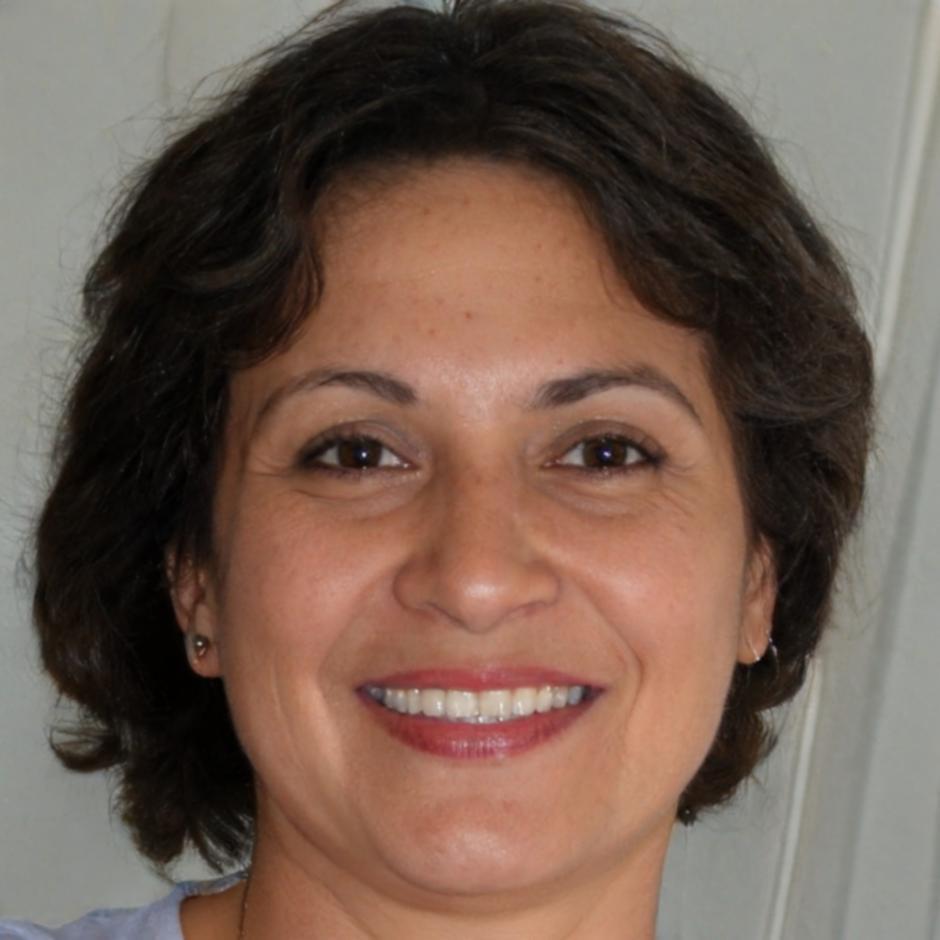
Aoife Brennan
Operations lead, retail distribution
I had used the Business Model Canvas before - mostly as a slide in a pitch deck. After the third iteration session here, I realised I had been filling it in as a description rather than a diagnostic. That distinction alone changed how I looked at our cost structure, and we made two changes to supplier terms within a month of finishing the track.Aoife Brennan - Revenue Model Design & Canvas tracks

The Market Positioning track was harder than I expected - not technically, but because it forced me to be honest about who we are actually better for. We had been trying to position for everyone in our city. The session on segmentation cost made that unsustainable to defend.
Siobhán Daly - Market Positioning trackAfter completing the programme
Finishing the four tracks does not produce a certificate that signals readiness - it produces a set of working habits that change how you read a business situation. Participants consistently describe noticing things they had previously filtered out: assumptions buried in pricing logic, dependencies hidden in operational flow, positioning claims that do not hold under scrutiny.
The practical difference shows up in meetings, in proposals, and in the questions you ask when something is not working. That shift is gradual and does not happen at a fixed point - but it does happen, and it is durable.
| What becomes available | Foundation access | Full programme | With instructor review |
|---|---|---|---|
| All four track recordings | |||
| Scenario workbooks (PDF) | |||
| Framework reference library | |||
| Live Q&A session access | |||
| Written feedback on your Canvas | |||
| Access duration | 30 days | 12 months | 12 months |